
Hawthorne Resident Lookup Record Map
A useful resident lookup starts by naming the fact to confirm. Ownership, a registered address, a court party, a birth event, a professional license, and a past household are different roles. Los Angeles County and California keep those records in separate systems, so one name should never be treated as a complete identity by itself.
| Record | What It Confirms | Where | Access |
|---|---|---|---|
| Assessor parcel | AIN, situs, assessed facts, and an association with an owned parcel | Los Angeles County Assessor Portal and county counter | Free online and public counter; not an occupant roster |
| Recorded documents | Grantor or grantee role, instrument date, legal parcel, and chain clue | RR/CC Norwalk index | 1851-present office index; copies ordered after a hit |
| LASC court index | Party or defendant, case number, filing date, and case type | Los Angeles Superior Court Find a Case | Paid name search; free case-number and calendar routes |
| Probate file | Decedent, estate, heirs, petitions, notices, and property references | LASC Probate Division | Online, phone, counter, and courthouse terminals |
| Vital record | Birth, death, marriage, or dissolution event and family facts | LA County RR/CC or California Department of Public Health | Forms, eligibility rules, and certified or informational copies |
| Voter status | A voter's own registration status, district, and ballot details | California My Voter Status | Self-authentication; broader files require a lawful purpose |
| Business or license filing | Entity role, agent, license status, practice or business contact | California SOS bizfile and DCA Search | Free searches; filing access varies |
| Directory or census | Past household, address, relationship, or subscriber clue | Libraries and archive databases | Historical finding aids; exact local runs need confirmation |
Known address favors the Assessor Portal and county roll or counter. A legal case favors LASC. A family event requires the correct vital-record form. A former resident may need probate, directories, newspapers, and census work instead of a current lookup.
Hawthorne Resident Lookup in LASC
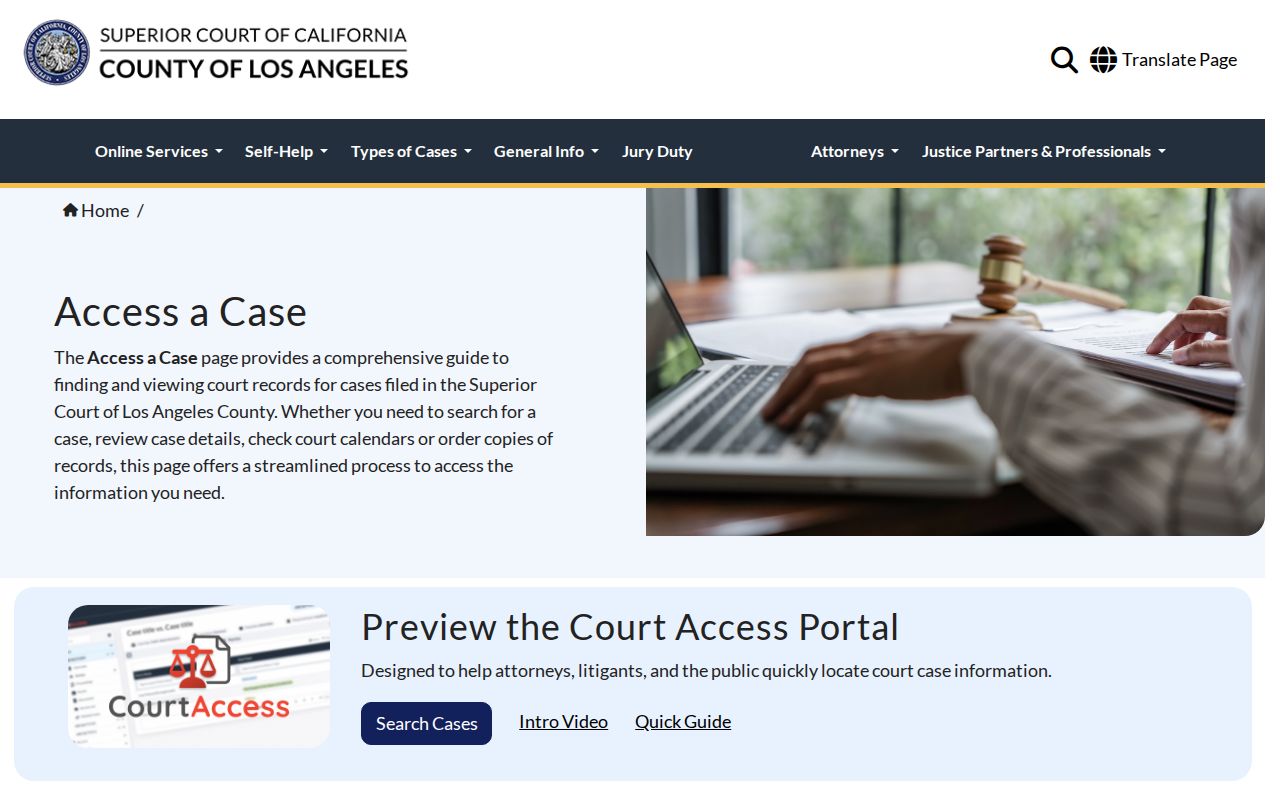
The Los Angeles Superior Court Find a Case entry point separates case access, calendars, document images, civil and probate party-name searches, and criminal defendant-name searches. Hawthorne matters are assigned by case type and courthouse, so the closest building is not always the correct file location.
The LASC case-access screen shows the available routes before a name search begins.
Exact Match aids discovery, but party role, address clue, filing date, or case number must confirm the person.
| Case Number | Required text field for direct case access when known. |
|---|---|
| Party Last Name / Company | Required civil-name field; Exact Match or Starts With, with company support. |
| Party First Name | Conditional text field that narrows a personal-name result. |
| Defendant Last Name | Required criminal-name field; Exact Match or Starts With. |
| Defendant First Name | Conditional field for a narrower criminal result. |
| Case type/service | Civil, small claims, family, probate, criminal defendant, or image route. |
| Access Case / Access Calendar | Buttons for case-number and calendar workflows. |
| New Search | Starts another paid name-search workflow. |
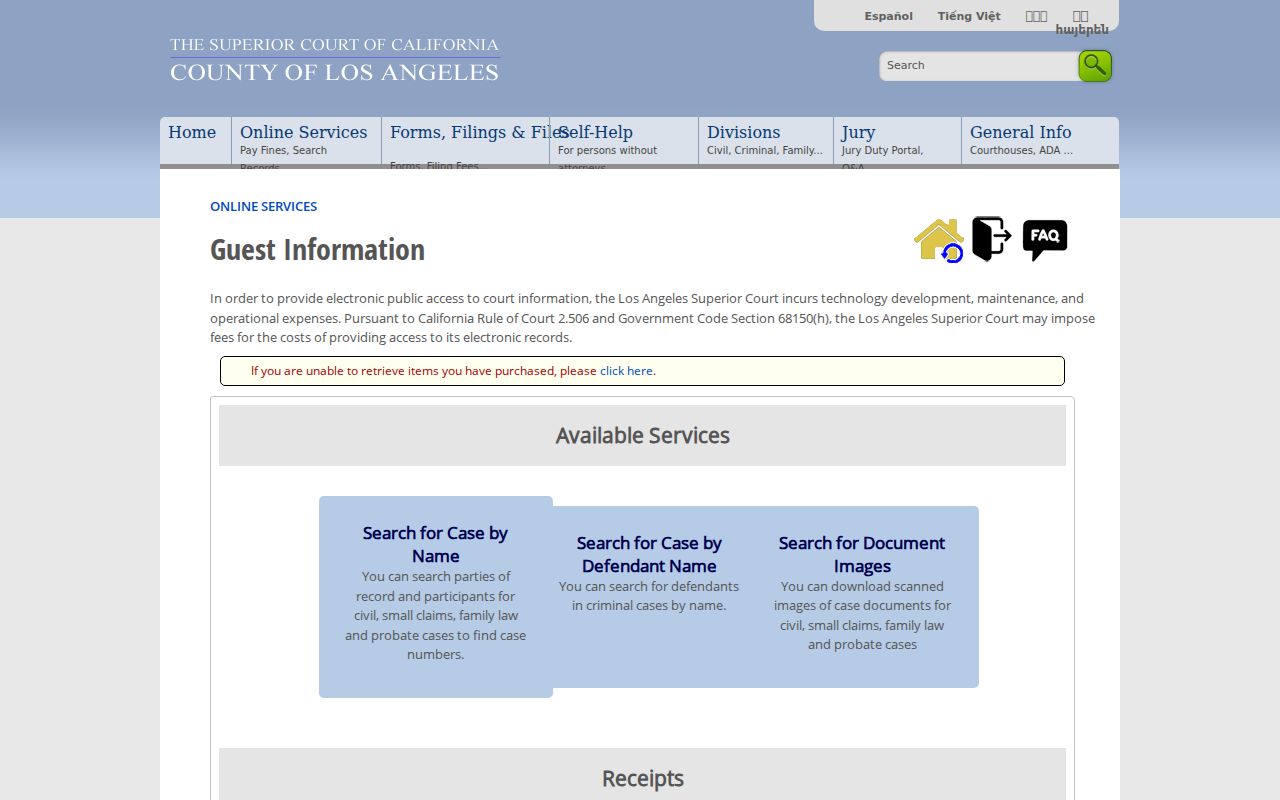
LASC publishes online name coverage of Unlimited Civil, Family Law, and Probate from 1983-present, Limited Civil from 1991-present, and Small Claims from 1992-present. Name results cost a nonrefundable fee under California Rule of Court 2.506 and Government Code section 68150, remain available for 24 hours, and purchased documents remain available for 30 days.
LASC guest information explains the account and payment path for a party or defendant search.
Case-number access, calendars, and courthouse Public Access Computers are the free starting points. Selected image cutovers include Limited Civil from 1970, Small Claims from January 21, 1988, Family Law from May 1, 2000, Probate from January 1, 2001, and variable Unlimited Civil coverage such as Stanley Mosk from March 15, 2000. Archived paper or microfilm files go through the assigned courthouse clerk or archives; ask separately about inspection, ordinary copies, and certified copies.
The court's public search FAQ is the source for matching rules and image limits.
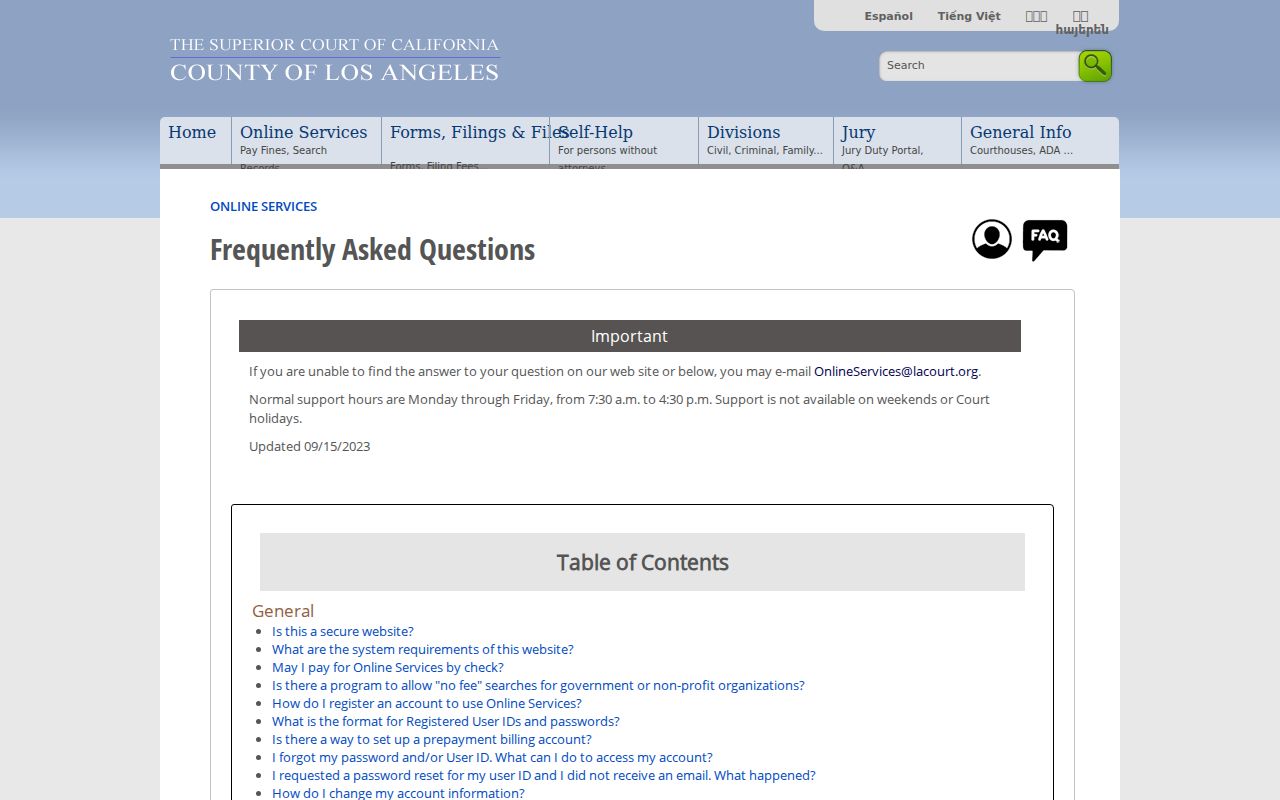
Criminal and family-law documents are not generally open as web images, and sealed, confidential, paternity, and minor-related material is excluded. A result leads to a court file, not a complete identity.
Verify One Hawthorne Resident
Verification joins two independent facts. Use a name with an address or AIN, spouse or relative, case date, license number, or death date. Keep owner, resident, voter, litigant, licensee, and mailing roles distinct.
- Normalize the surname, middle initial, suffix, married or former name, diacritics, and entity or trust spelling.
- Anchor the person to a known parcel, public filing, family relationship, or date before expanding the search.
- Run LASC party or defendant search with Exact Match and Starts With as separate checks, then compare case role and courthouse.
- Use a second custodian, such as a deed, probate file, license record, or eligible vital copy, to test the match.
- Order a certified copy only when the custodian and access rule fit the purpose, and record the source date.
- Docket
- The court's running case record, including filings, events, hearings, and status entries.
- Index versus image
- An index identifies a case or instrument; an image is a scanned page and may cost more or be unavailable.
- Certified copy
- A custodian-attested reproduction intended to carry official status; it is different from an informational copy or screen view.
A docket may show case number, filing date, type, courthouse, parties and roles, proceedings, hearings, status, documents, and related cases. Redactions and sealed material remain outside the public result.
Hawthorne Resident Lookup for Probate Heirs
Probate is the strongest official route for an heir or a former owner's estate. LASC Probate staff can check a full decedent name and date of death. Contact (213) 830-0800 at Stanley Mosk Courthouse, 111 North Hill Street, Room 429, Los Angeles; weekday clerk hours are listed as 8:30 a.m. to 4:30 p.m.
The LASC Probate search instructions cover online searching, phone help, the counter, and public terminals.
Once located, a case number guides terminal inspection and copy requests. Petitions, notices, distribution orders, and property descriptions may connect a decedent to an address. For a birth parent, use California's official adoption-information and contact procedures, not an ordinary birth certificate.
Hawthorne Resident Lookup Through Vital Records
California Department of Public Health Vital Records supplies statewide forms, while Los Angeles County RR/CC handles county events and local counter service. California has no simple universal rule that birth records open after 100 years or death records after 50. Health and Safety Code sections 103525-103526 limit authorized certified copies by relationship or role; an informational birth or death copy is generally marked not valid to establish identity.
For 2026, CDPH lists certified-copy fees of $31 for birth, $26 for death, $19 for marriage, and $18 for dissolution. A confidential marriage is available only to a party or by court order under Family Code section 511. Adoption files and original birth records remain sealed except through statutory or court procedures. AB 64 permits specified diacritical marks on California vital certificates, so preserve exact name forms. Forms ask for the applicant, event, names, date and place, relationship or eligibility, signature, and payment; a no-record search can still retain the fee.
Divorce judgments come from LASC, while CDPH dissolution certificates cover a limited period. Death and Birth Indexes, newspapers, cemeteries, and church registers are finding aids, not proof.
Hawthorne Voter Status, Not Resident Lookup
My Voter Status authenticates a voter checking their own record. Its first name, last name, date of birth, and driver-license, state-ID, or last-four-SSN validation are identity fields, not a browse box. The authenticated voter may see registration status, party preference, polling place, district, ballot status, and guide-delivery choices.
- Self-lookup
- First name, last name, birth date, identity validation, and a verification step must match the registration.
- Purpose-limited file
- Elections Code section 2194 and 2 CCR sections 19001-19012 limit broader voter data to election, scholarly, journalistic, political, or governmental purposes.
- Request cost
- A statewide file is $100; the regulation uses $15 per 1,000 records with a $15 minimum and $100 maximum. A specific-voter request is $30 each, up to ten names and a $100 maximum.
A qualified request needs full name, birth date, county, present or former residence, purpose, security certification, and the required fee. Driver-license numbers, Social Security numbers, and signatures are not released. A CPRA request cannot turn the voter roll into a private street list.
Hawthorne Resident Lookup Through Business Filings
Public business and license records can confirm an announced professional or entity role, not a home address. California Secretary of State bizfile Online searches an entity name or number and may show status, formation, addresses, agent, and filings. A filing address may be a business contact.
California Department of Consumer Affairs Search accepts a name or license number, with board, license type, and city filters where offered. Results can show license type and number, status, issue or expiration dates, and public discipline links. The State Controller's unclaimed-property search can show a reported owner, city, property type, and reporting business, but a claim requires proof and a hit is only an affiliation clue.
Compare these records with a court case, probate date, deed, or family record rather than merging them into one profile.
Hawthorne Resident Lookup in Federal Court
For a matter in the U.S. District Court for the Central District of California, use the federal level separately from LASC. PACER's official search guidance covers party and case-number searches, current per-page billing, and quarterly fee waivers below the Judicial Conference threshold.
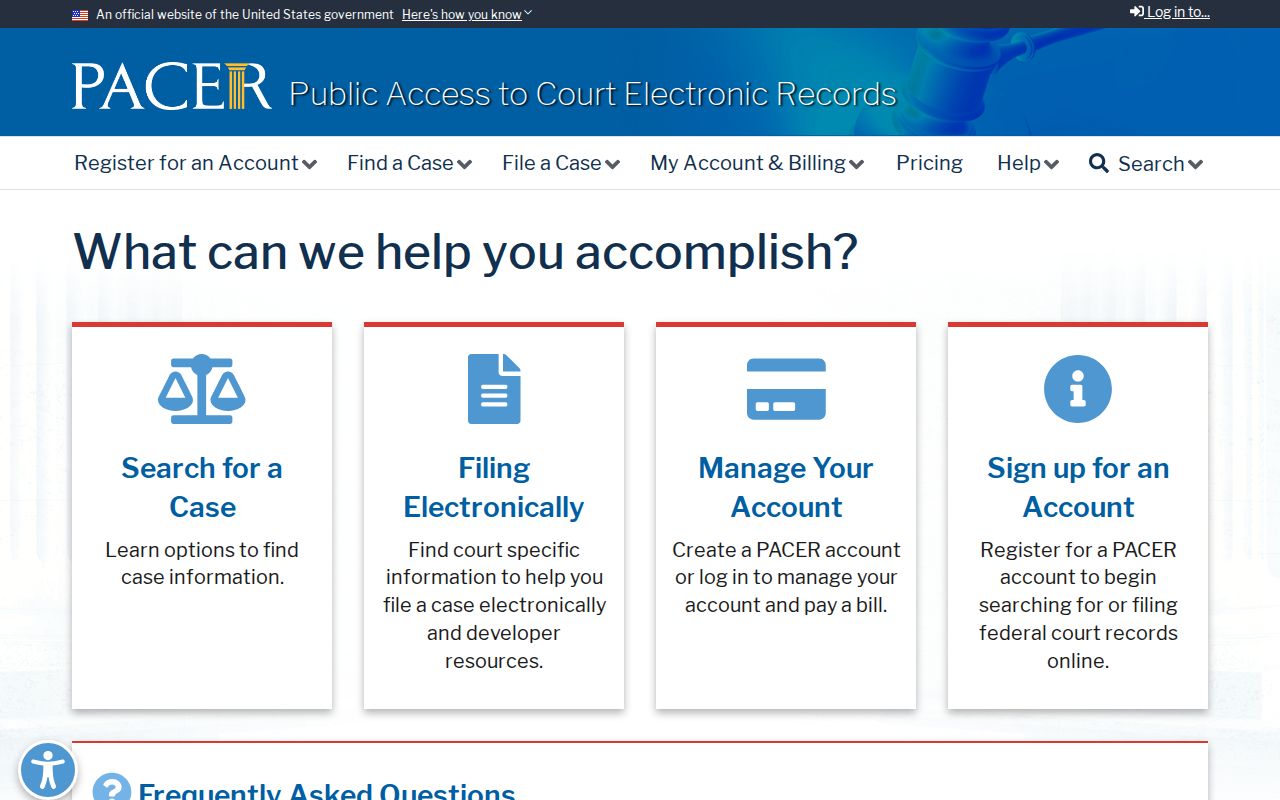
PACER can locate a Hawthorne name in a federal case, but sealed documents remain unavailable and a party result does not prove current residence. Courthouse terminals are another channel.
The Central District of California court site identifies the federal venue and its clerk resources.
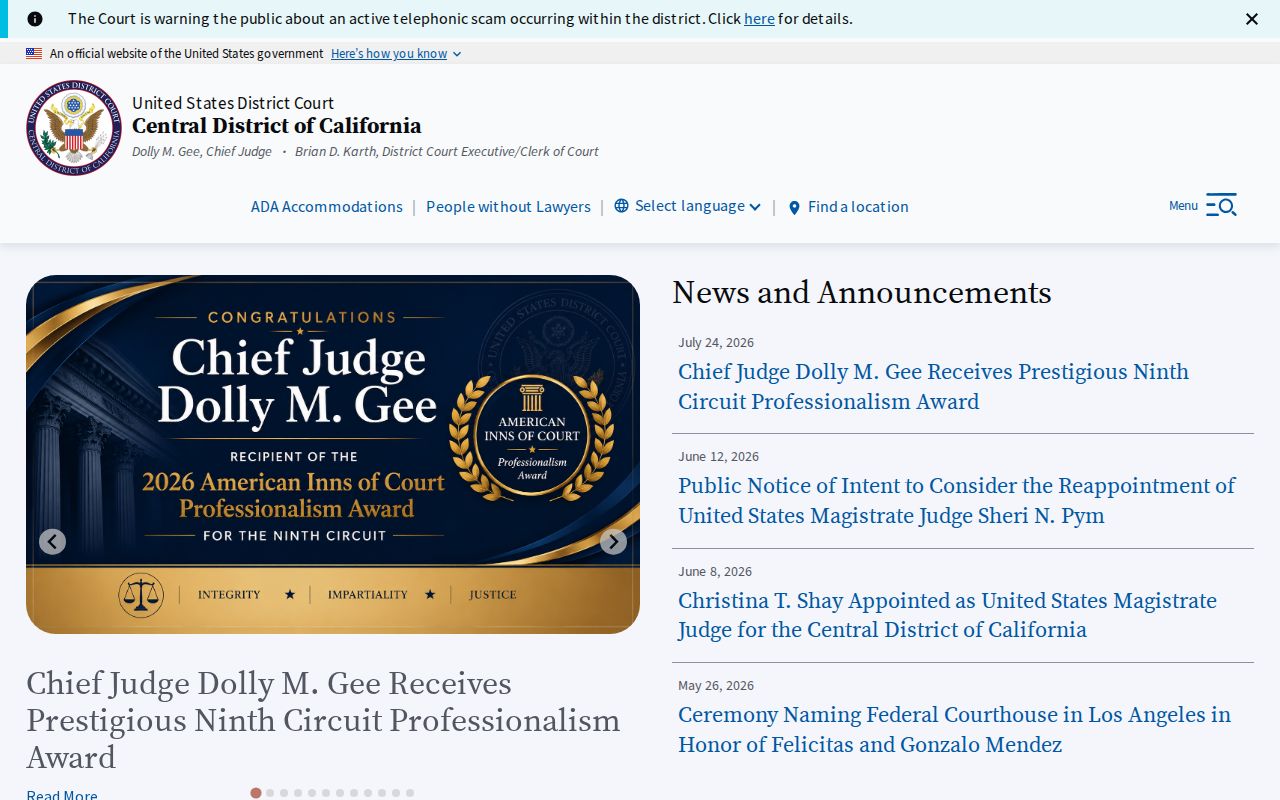
Check the docket before relying on a federal result.
Correct a Hawthorne Resident Record at Source
A wrong match belongs with its custodian. The Assessor Portal handles parcel facts, RR/CC recorded instruments, and LASC its case index.
For a focused city fallback, the Hawthorne City Clerk is at City Hall, 4455 West 126th Street, with main phone (310) 349-2900 and direct clerk line (310) 349-2915. City Hall hours are Monday through Thursday, 7 a.m. to 6 p.m., Friday closed; counter hours are 9 to 11 a.m. and 2:30 to 4:30 p.m. A CPRA request should identify a record, department, date span, address or APN, and preferred copy format. The city generally determines whether responsive records exist within 10 calendar days and may extend by 14 days for unusual circumstances. CPRA does not require a new resident list or answers to broad questions.
Lawful Limits on a Hawthorne Resident Lookup
California's confidentiality rules matter as much as its search tools. Safe at Home gives eligible survivors and certain reproductive-health participants a substitute mailing address and mail-forwarding route. The actual address is protected. Public records also stay with their custodians: a privacy or opt-out request may remove a copied profile from a data broker, but it does not erase a deed, court file, or eligible government record.
Lawful personal use. A Hawthorne resident lookup is for personal, lawful research such as family history, estate work, reconnecting, or civic checking. Do not use a result to stalk, harass, intimidate, or surveil anyone; California Penal Code section 646.9 and related protective-order rules apply.
Official trails end by design for minors, sealed cases, adoption files, protected voters, utility customers, DMV information, and people with no public filing. Stop when the record does not support the question, and state when an official copy or consent-based contact is needed.